Celebrations at the time of the winter solstice have been universal in almost every culture on the planet. It is seen as the rising of the new sun. In ancient Rome, this was celebrated as Saturnalia, which means it was about Saturn, the god of agriculture and food. In southern India, even today, the celebration of Makar Sankranti is one of the most important festivals in a year for the agricultural communities. In Rome, Saturnalia was a holiday – people gave gifts; no war could be declared on this day, and masters and slaves swapped their positions. In India, even today, men and women swap their positions at that time – men will be singing, women will be drawing complex geometric patterns in the form of Rangoli.
In lands like Central Asia and China, such celebrations were also prevalent. These traditions were destroyed in Europe and other parts of the world with the advent of Christianity. The ancient Egyptians always saw that during this month, the line between the physical and the spiritual is thin, or the two are brought close together.
Pongal or Makar Sankranti.
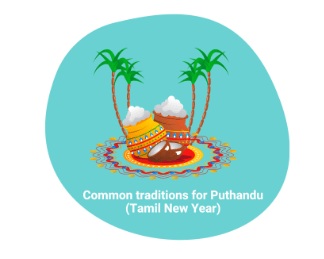
Between the 14th and 17th of January are the festivals of Makar Sankranti or Pongal, as it is called in Tamil Nadu. There are different aspects to this festival, which falls in the month of Thai in the Tamil Calendar. There is Bhogi, during which houses are cleaned, decorated, and in a way re-consecrated for the new year, using materials like mango leaves and the first cut of paddy to enhance the vibrance in the house. All the unnecessary things in one’s home are disposed of.
Pongal is a very popular, multi-day major festival for many Hindus. It is the beginning of the six-month journey northward of the sun as when the sun enters the Makara zodiac (Capricorn). It is considered one of the most auspicious days and is celebrated throughout the country, but with different names. It is called Pongal in South India, Makar Sankranti in the North, East, and West, Lohri in Punjab, and Bihu in Assam.
The word Pongal means “to boil over” or “overflow”, and the symbolism of the harvest so it also called a harvest festival. People believe this celebration, brings them peace, happiness, prosperity, brightness, and harmony in life. On these four days, families gather and share their joy.
All four days of Pongal embody a noble message for humankind. The four days of Pongal celebrations are named as:
Bhogi Pongal: The houses are cleaned getting rid of old things and decorations take place
Surya Pongal: This is the first day of Tamil Month – Thai. This day is also known as Thai Pongal. People offer Pongal to the Sun God.
Maattu Pongal: the word “Mattu” means bull and this day of Pongal is for the celebration of cattle, particularly bulls that play a vital role by working hard to help the farmers to raise crops on their fields
Kaanum Pongal: The word Kaanum means ‘viewing and seeing’. Kaanum Pongal is the day of relaxation and enjoyment and it implies that people spend their time arranging family trips, picnics, visiting neighbors, and relative’s houses,
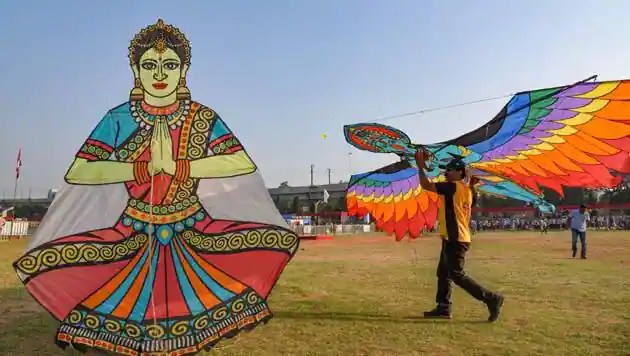
While this harvest festival is known by many names, the spirit and fervor with which it is celebrated across the country remain the same. The Pongal sweet dish is prepared to mark the festival, first offered to the gods and goddesses, often accompanied by an offering to cows, and then shared by the family.
Festive celebrations include cows and their horns being decorated, ceremonial bathing, and processions. Traditionally, it is an occasion for decorating kolam artworks based on rice-powder, offering home prayers, temples, gathering with family and friends, and exchanging gifts to renew social bonds of solidarity.
A Festival or holiday presents a great opportunity to reach out to loved ones that you may not see all that often but would likely connect with during the holidays.
Just because you can’t gather like you normally would, you can still find ways to connect and let your loved ones know that they are important to you by sending them money in just a flash, back home with no fees to pay when sending over $500!
Happy Pongal!
 Eyeofmystic